


Shopping Cart
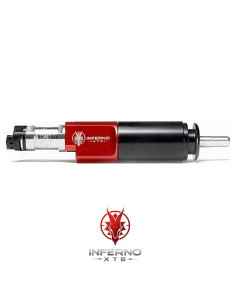
- New
In stock

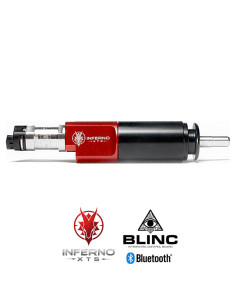
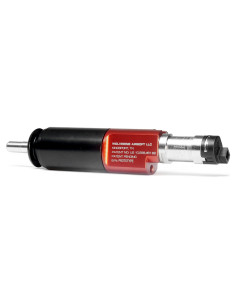
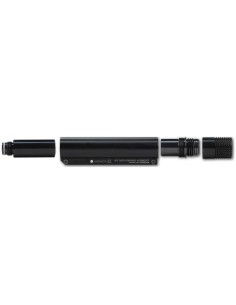
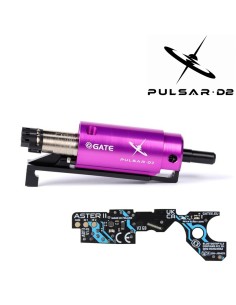
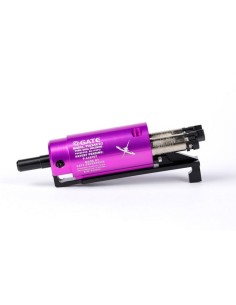
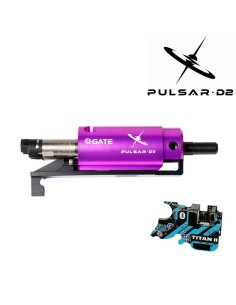
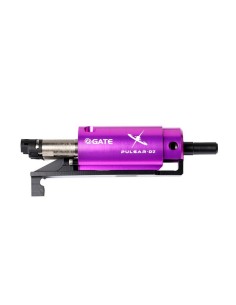
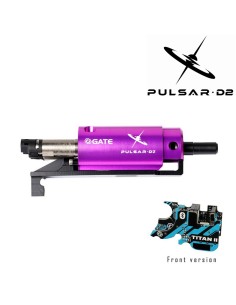
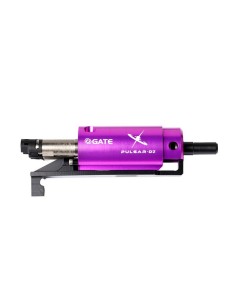
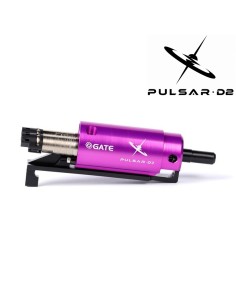
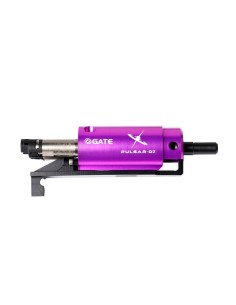
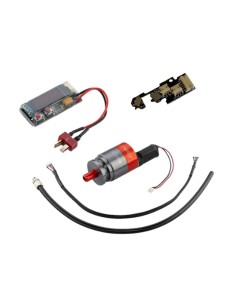
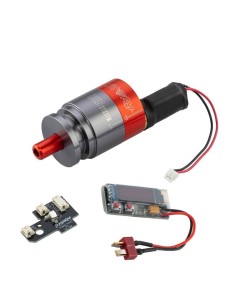
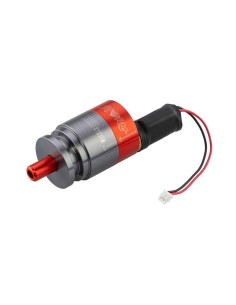
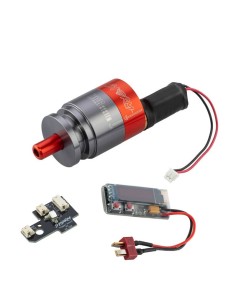

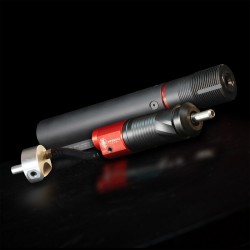
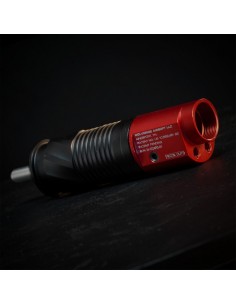
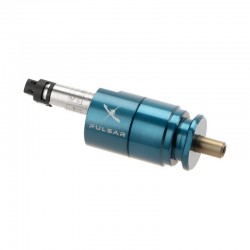
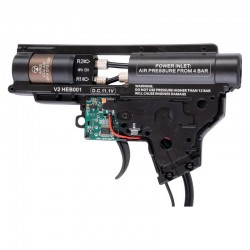
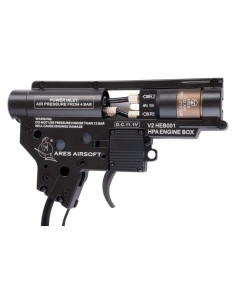
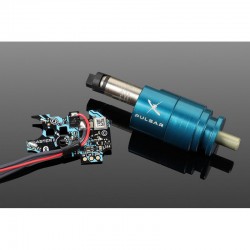
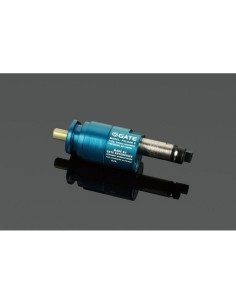
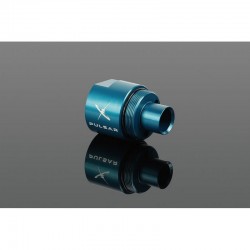
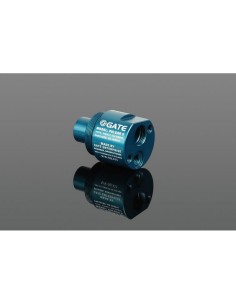
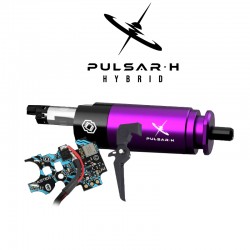
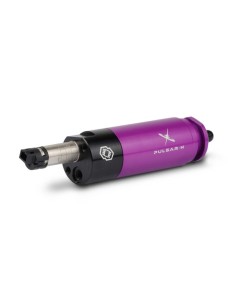
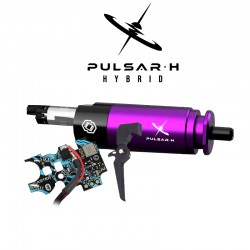
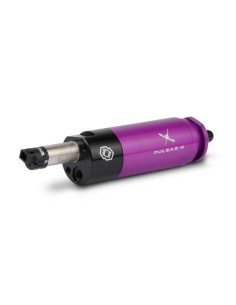
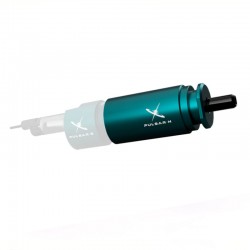
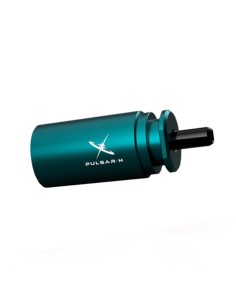
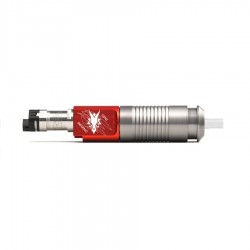
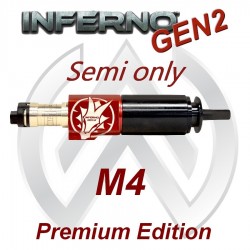
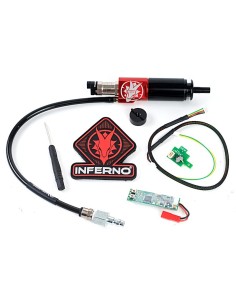
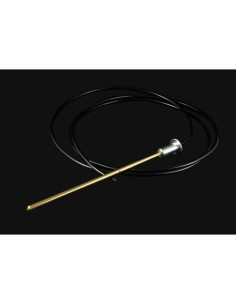
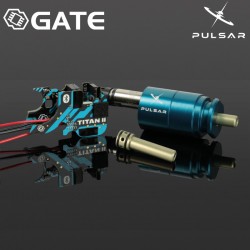
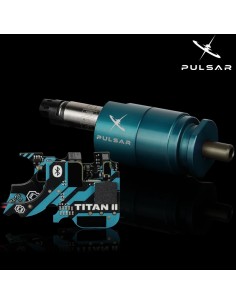
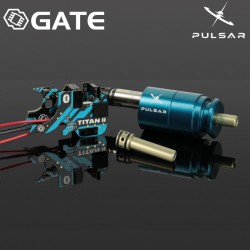
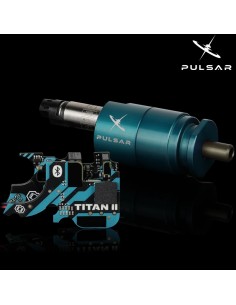
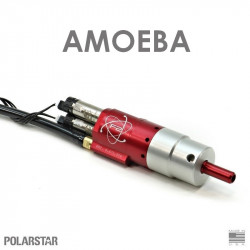
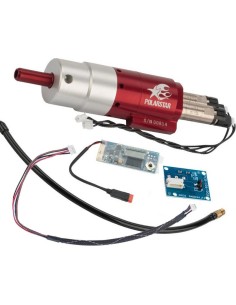
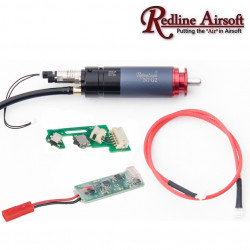
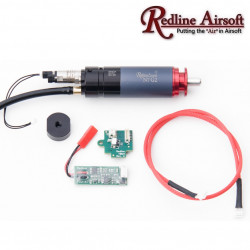
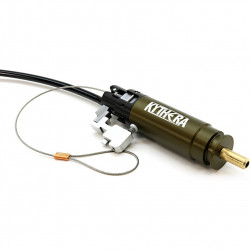
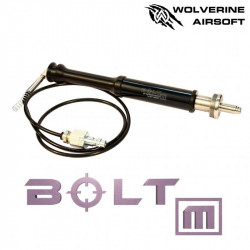
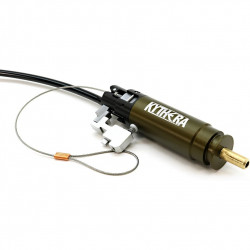
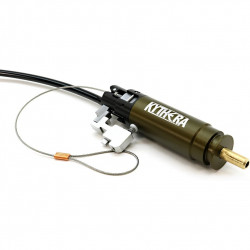
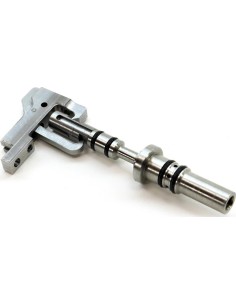
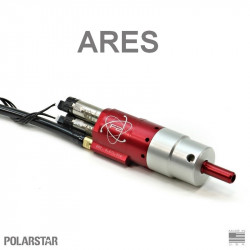
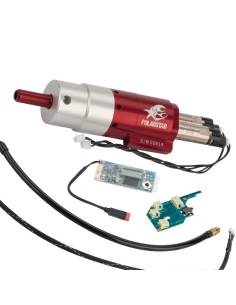
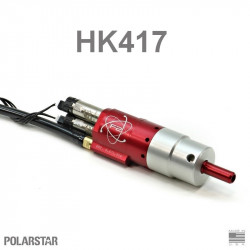
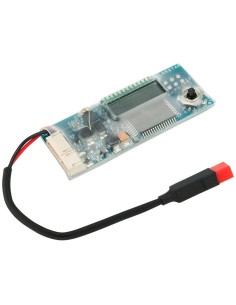
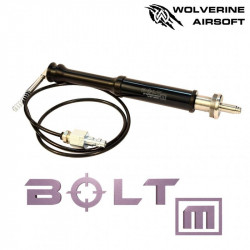
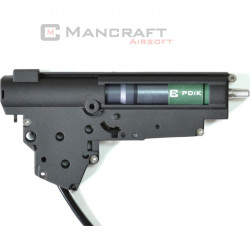
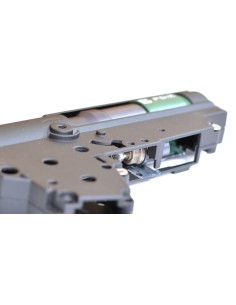
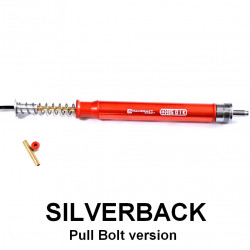
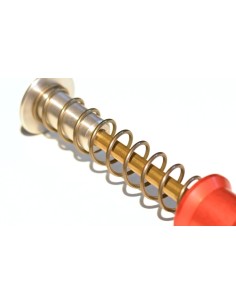
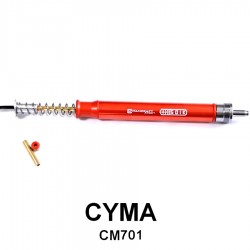
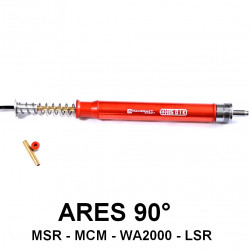
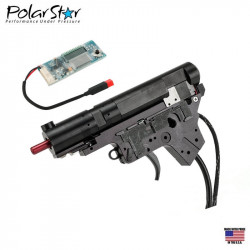
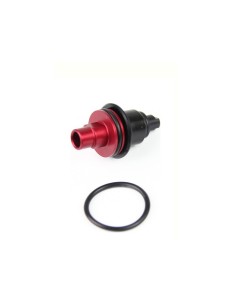
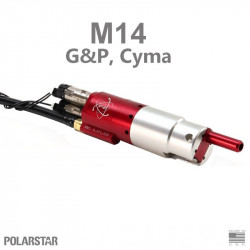
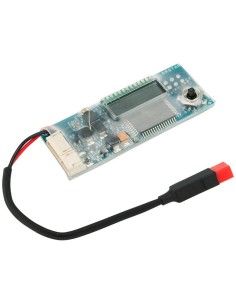
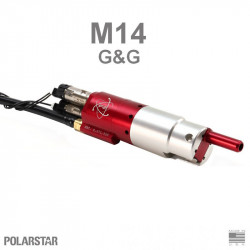
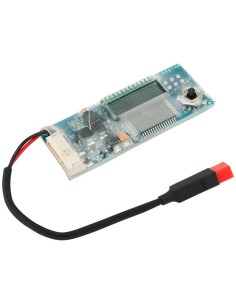
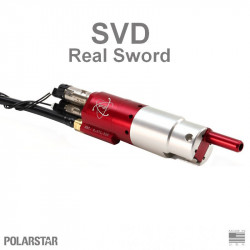
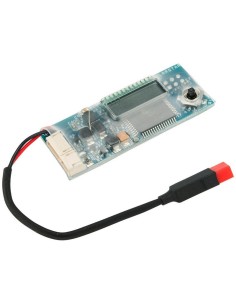
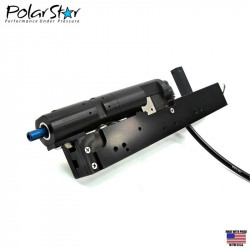
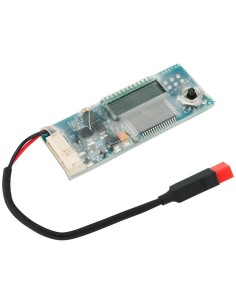
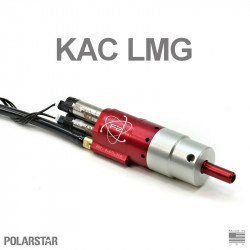
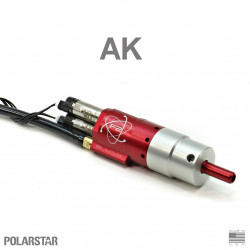
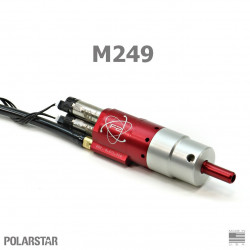
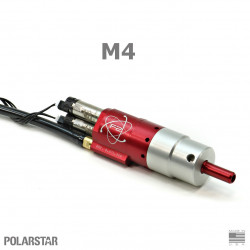
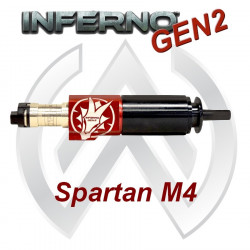
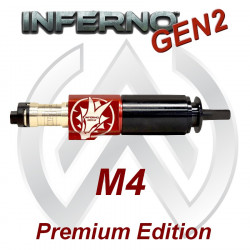
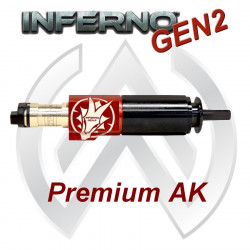
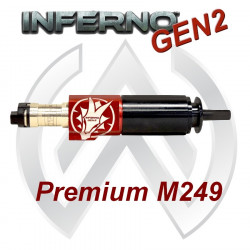
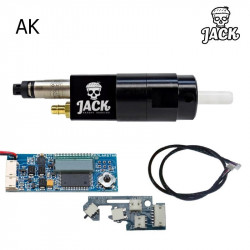
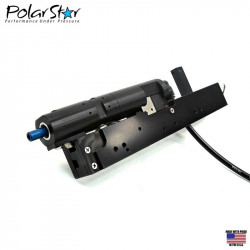
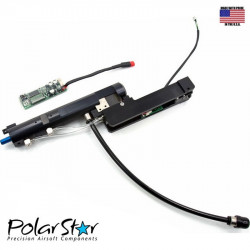
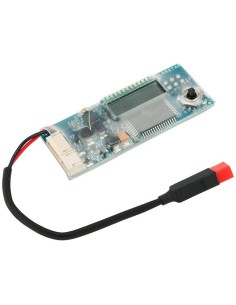
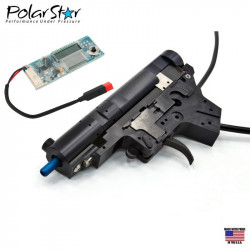
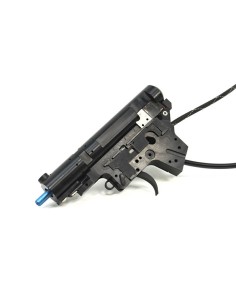
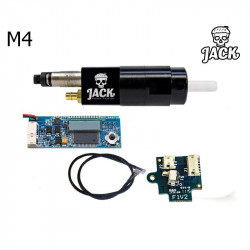
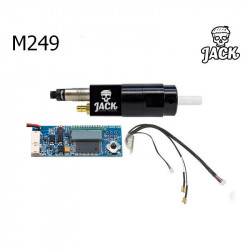
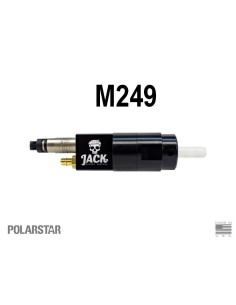
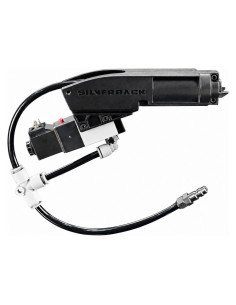
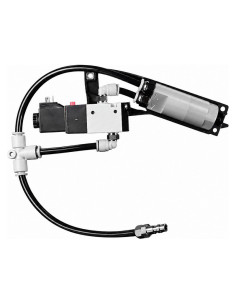
The HPA (High Pressure Air) system uses compressed air to propel airsoft BBs. The principle is simple: an HPA tank feeds a regulator that delivers air at constant pressure to the replica. Every shot then offers unbeatable consistency and regularity from the first BB to the last.
HPA works with two types of replicas. On an AEG, an HPA engine (solenoid or mecha-pneumatic) replaces the entire gearbox internals. On a GBBR, it's the magazines that are converted to compressed air via no-drill valves or machined magazines (6Labs offers this service).
Compared to a gas system, whose performance varies with outdoor temperature, HPA provides stable and consistent compressed air delivery. A properly tuned HPA setup maintains very low deviation between each shot. On an AEG, it delivers unmatched reliability compared to the complexity and wear of mechanical parts.
At Powair6, our selection of HPA systems is built on 15 years of replica builds and conversions using pneumatic systems proven by our 6Labs workshop. Every brand in our catalog has been tested in real-world conditions:
The right system depends on your play style (speedsoft, milsim, DMR, sniper), gearbox type (V2 or V3) and the level of customization you're looking for.
Beyond conversion kits, factory HPA replicas also exist: the Wolverine MTW (Billet and Forged Series) are designed natively for HPA, with no need to touch a gearbox.
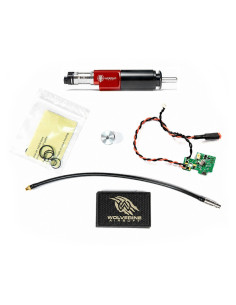
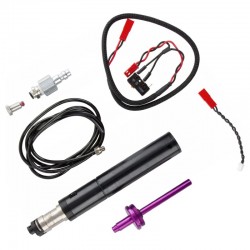
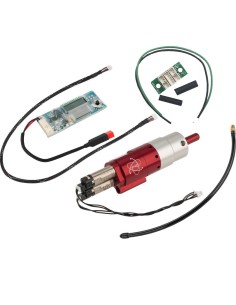
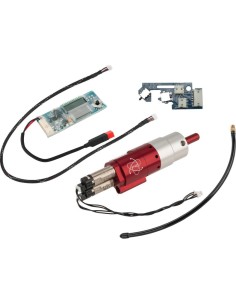
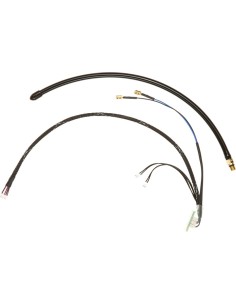
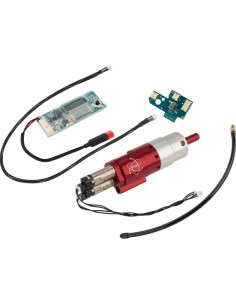
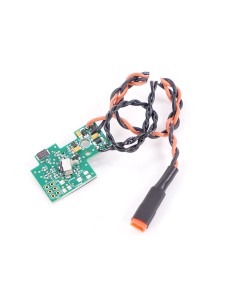
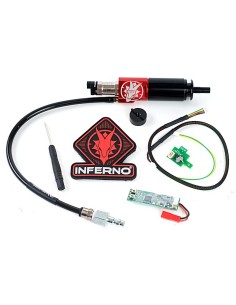
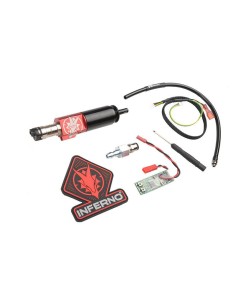
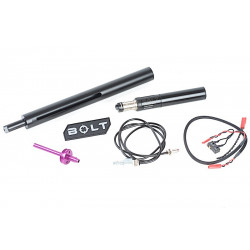
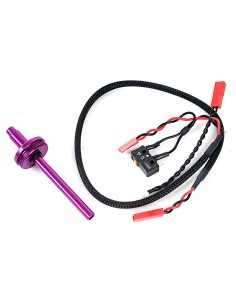
Converting an AEG to HPA means replacing the entire piston-spring-gear assembly with a pneumatic engine. The outer body, barrel and hop-up stay in place. An HPA conversion kit typically includes:
Installing an HPA kit on a clean V2 gearbox (M4, MP5) or V3 gearbox (AK, G36, AUG) is the first step. Then come the tuning and optimization by a professional. Power is adjusted at the regulator and can be locked if game rules require it: a single turn of the dial is enough to go from 350 to 300 FPS. Important note on line fittings: EU and US standards are not compatible with each other. Make sure to check the coupler format on the regulator side before ordering.
Field feedback is consistent: instant trigger response on solenoid engines, shot-to-shot consistency, ease of maintenance and sound suppression to operate without being detected. An HPA engine has fewer moving parts than an AEG (no gears, no piston) and can withstand over one million shots (test conducted by PolarStar). Maintenance comes down to checking O-rings and applying HPA grease as needed.
The initial cost of a complete HPA setup (engine, regulator, tank, line) ranges from 250 to 500 euros (without the replica), which may seem high. But compared to the cumulative cost of an upgraded AEG over 2-3 years (motor, MOSFET, shimming, O-rings, springs), HPA often works out to the same price, with superior reliability: parts last longer, settings hold over time and maintenance is easier.
Powair6 was born in a workshop. From the very beginning, we saw the huge potential of HPA and made it our DNA. The 6Labs team installs, tunes and tests every HPA airsoft system. Every product in this category has been validated in real-world conditions. For personalized advice on choosing your system, our team is available by phone at +33 5 34 27 88 10.
HPA uses a refillable external tank and a regulator that allows you to adjust output pressure (from 0 to 200 PSI). Power is stable, reproducible and adjustable at will.
CO2 uses disposable cartridges at a fixed pressure. With each shot, the sudden decompression (transition from liquid to gas) causes a thermal shock that dries out and weakens rubber O-rings. This freezing effect requires more frequent maintenance with silicone oil compared to HPA.
In short: HPA offers consistency, control and part longevity. CO2 is more compact (no external tank or line), but less stable and more demanding in maintenance. Note: some HPA engines are designed to operate up to approximately 150 PSI maximum, beyond which the risk of damage increases.
The main trade-off is bulk. The player carries a tank and regulator (in a backpack or on a belt), connected to the replica by a line. It takes some getting used to, but most players stop noticing after a few games. For those who want to go without, Wraith kits integrate a 0.2L tank or regulated CO2 directly onto the replica, eliminating the external line.
The other consideration is the initial cost (250 to 500 euros excluding the replica) and the need to refill the tank (dive shop, personal compressor or hand pump).
Yes. An HPA engine has fewer moving parts than an AEG: no gears, no piston. Some HPA engines can withstand over one million shots (PolarStar test). The most common failures come from O-rings and fitting leaks, not the engine itself. Maintenance comes down to checking O-rings and applying HPA grease as needed.
Standard airsoft tanks are rated at 3,000 PSI (207 bar). High-capacity tanks go up to 4,500 PSI (310 bar). The regulator reduces this to 0-200 PSI output. Note: most HPA engines are designed to operate up to approximately 150 PSI maximum.
Yes. On a GBBR, there's no need to modify the replica: the gas magazines are converted to run on compressed air, via no-drill valves or machined magazines. 6Labs offers this type of conversion.