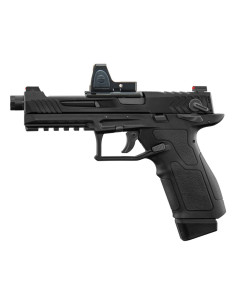
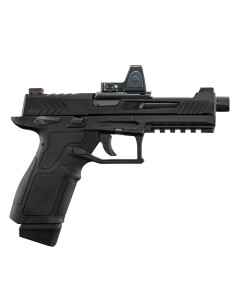
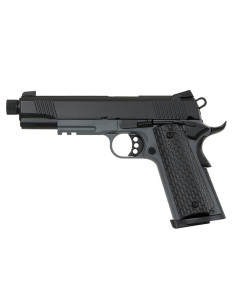
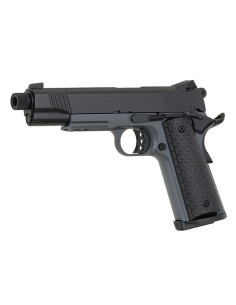
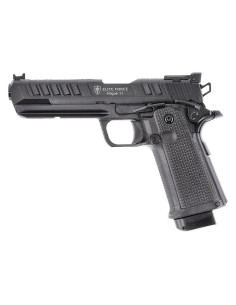
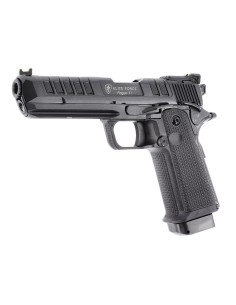
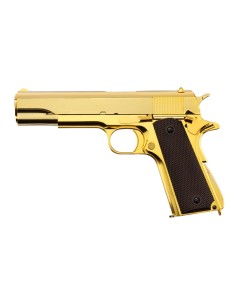
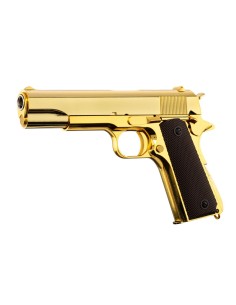
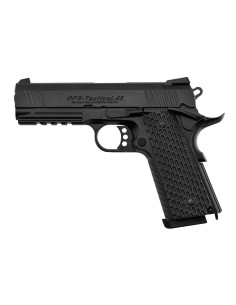
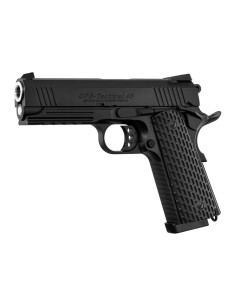
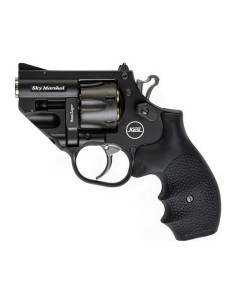
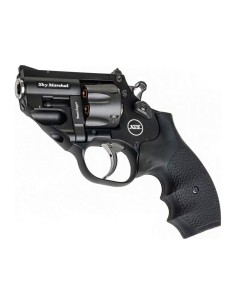
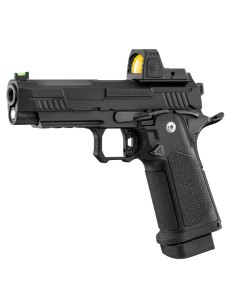
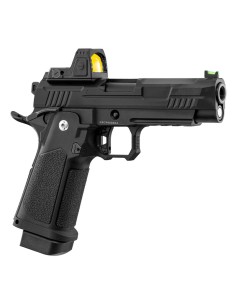
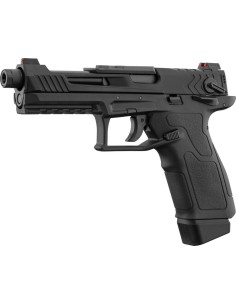
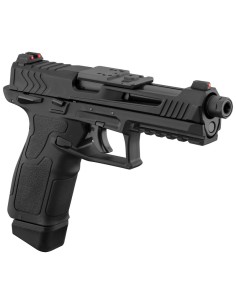
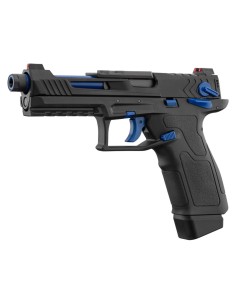
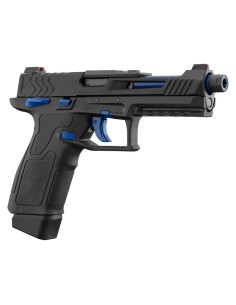
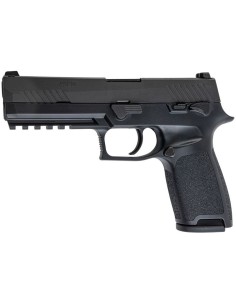
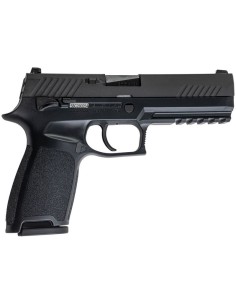
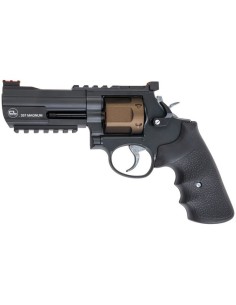
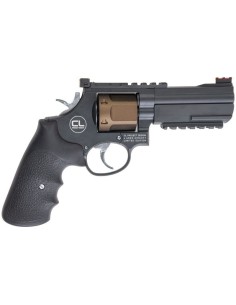
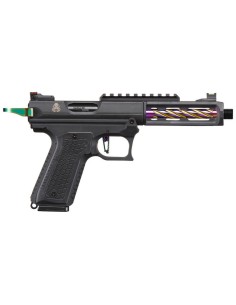
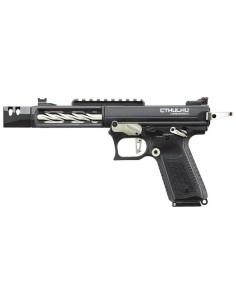
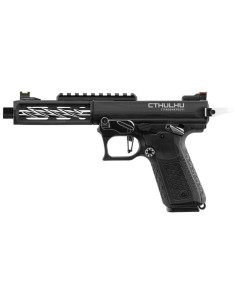
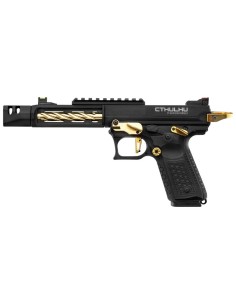
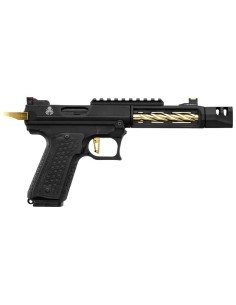
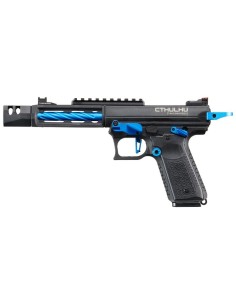
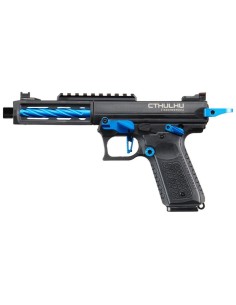
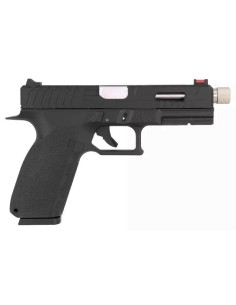
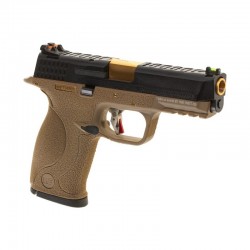
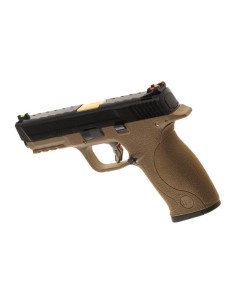
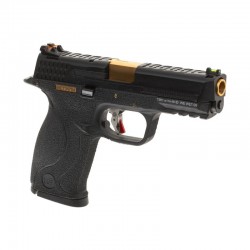
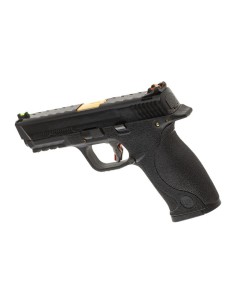
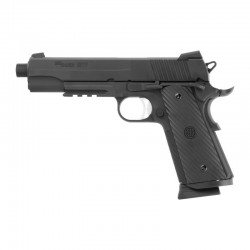
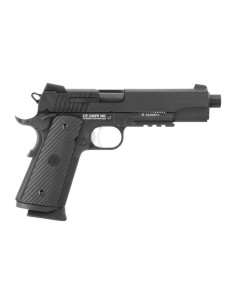
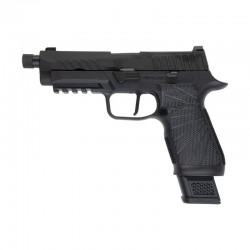
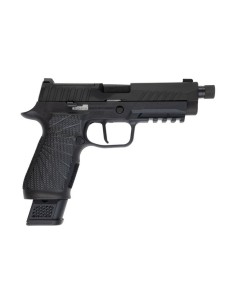
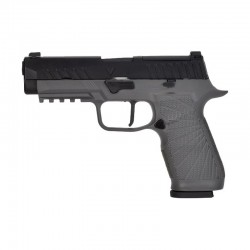
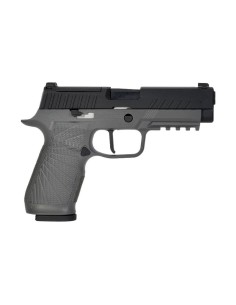
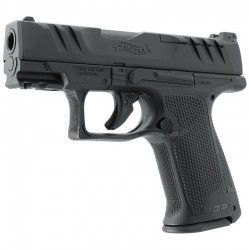
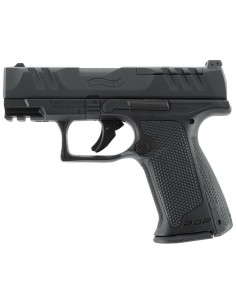
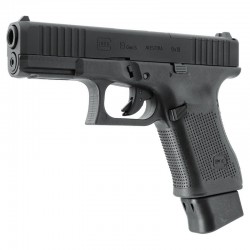
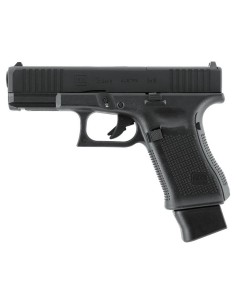
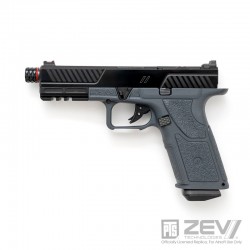
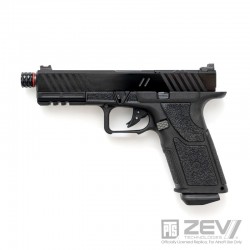
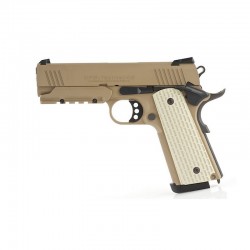
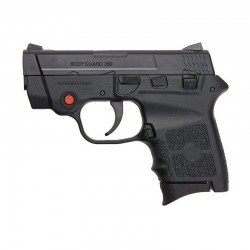
Airsoft pistols: sidearms for every player
The airsoft pistol, commonly called a sidearm, is the entry point into airsoft for many players. Affordable price, compact size, easy to store: it's often the first replica a beginner buys. It's also what you see in the movies, and that matters.
But the pistol isn't just for beginners. For experienced players, it's an essential back-up on the field, whether covering dead zones in CQB or complementing a sniper or DMR setup.
Realism is what sets a GBB (Gas BlowBack) pistol apart from an AEP (battery-powered, full-auto fire), a spring pistol (manual cocking, single shot) or an NBB (Non Blow Back, gas-powered with a fixed slide). On a GBB, the slide cycles with every shot, just like the real thing. The feel, the sound, the handling, everything is close to real. Materials have evolved too: today's best models feature steel slides with fibre-reinforced polymer frames, just like their real counterparts.
The trade-off: a GBB pistol requires more maintenance than an AEG. O-rings, valves, lubrication of moving parts, these are habits every player needs to build.
Gas, CO2 or HPA: which power source to choose?
On a GBB pistol, the power source sits in the magazine, not in the replica itself. The same pistol can often accept both a gas magazine and a CO2 magazine. A VFC Glock, for example, works with either. The player decides.
What differs between the two is the knock valve inside the magazine. It acts as a regulator and determines the power output. On a CO2 magazine, this valve has a smaller flow to compensate for the higher pressure of CO2.
Airsoft gas remains the most common choice. It offers a good balance between power and blowback feel. Pay attention to the gas you select: it must match the manufacturer's recommendations. A Tokyo Marui with a plastic slide won't handle 200 PSI gas, the slide will crack. Simple rule: polymer slide = low-pressure gas, metal slide (zamak or steel) = higher-pressure gas.
CO2 uses cartridges inserted into the magazine. It's theoretically less sensitive to cold than gas and often significantly more powerful. The trade-off: leaks on CO2 magazines are harder to repair than on gas magazines.
Converting a pistol to HPA is done exclusively through the magazine. You replace the gas magazine with a magazine fitted with an HPA tap valve, connected to a compressed air tank via a line. Unlike long guns, there are no HPA engines (like PolarStar F2 or Wolverine Inferno) for pistols. The entire conversion happens through the magazine.
The 3 major airsoft pistol families
In the world of GBB pistols, three platforms have risen to the top thanks to one thing in common: the sheer amount of spare parts, customisation and upgrade options available around them. That's what makes a pistol family successful. A player will always find it easier to buy a well-known replica, knowing they'll find parts and upgrades to evolve it over time.
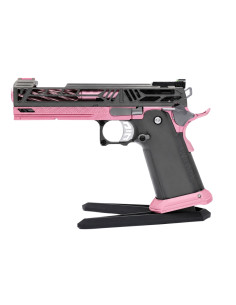
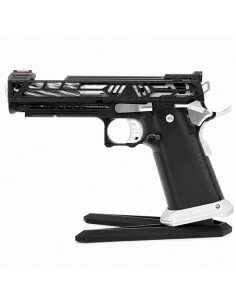
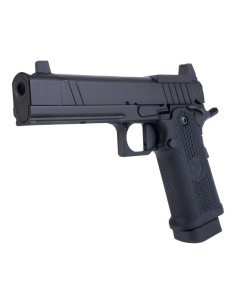
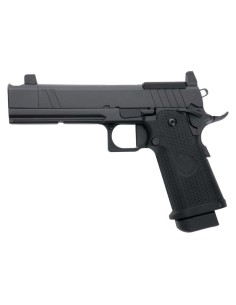
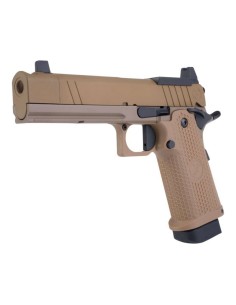
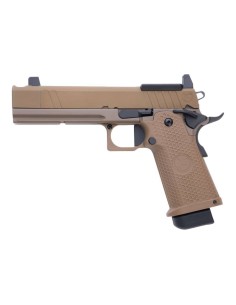
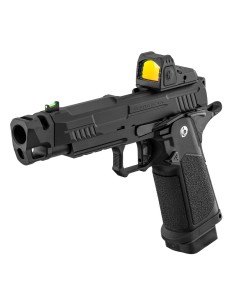
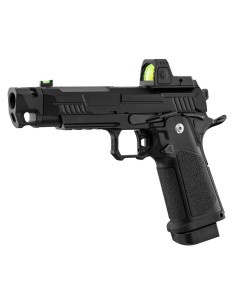
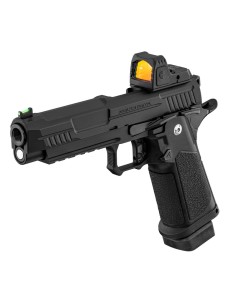
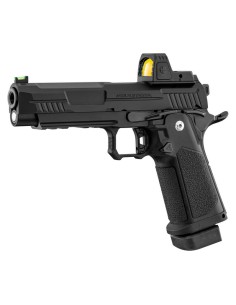
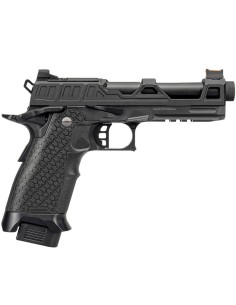
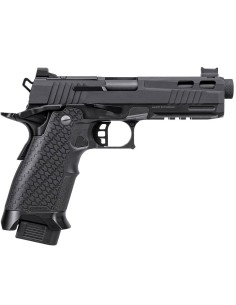
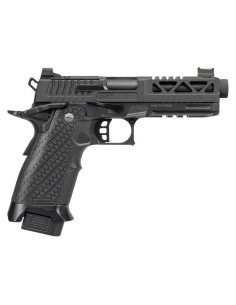
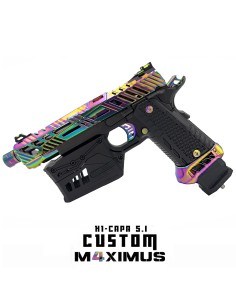
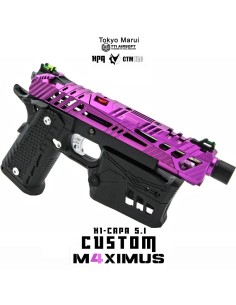
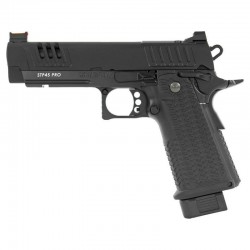
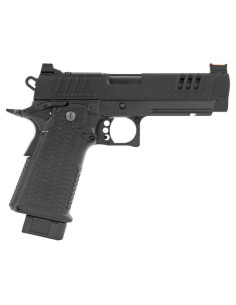
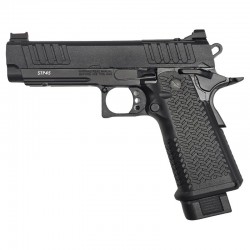
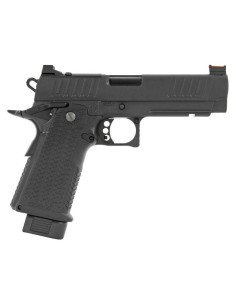
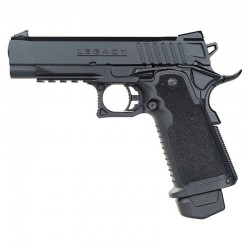
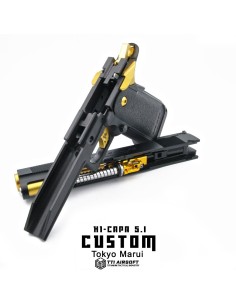
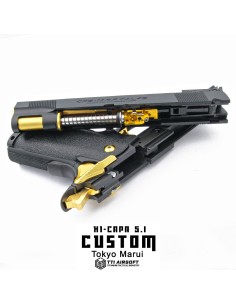
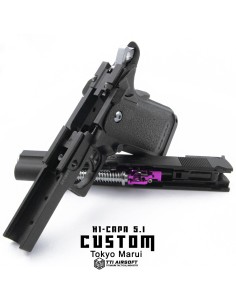
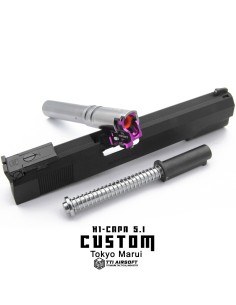
- Hi-CAPA: the performance and customisation family. Created by Tokyo Marui decades ago, it benefits from a massive ecosystem of parts, nearly all universal and cross-compatible (90% of cases). The design is inspired by the Staccato and its derivatives. High performance out of the box, with multiple variants: Hi-CAPA 5.1, 4.3, 3.8, 7-inch. Not to be confused with Hi-CAP, which refers to high-capacity AEG magazines.
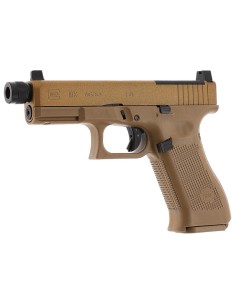
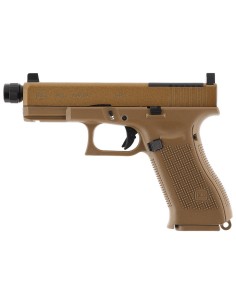
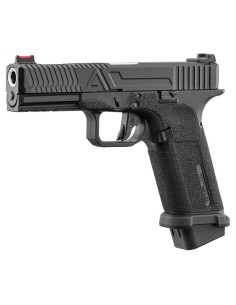
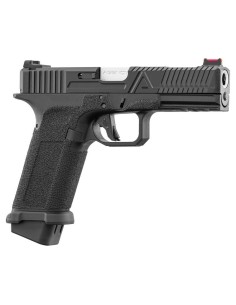
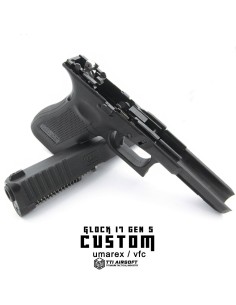
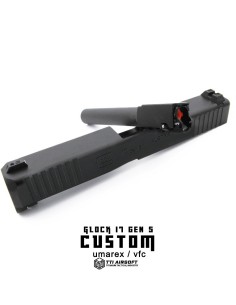
- Glock: realism first. It's the most widespread handgun in the world, used by the majority of law enforcement agencies. Players who choose a Glock are after that real-world authenticity. Word of caution: Glock is a registered trademark, and many reproductions ("Glock-type" or "Glock-like") come from different manufacturers with their own specifications. Parts compatibility between brands is much more complicated than with Hi-CAPA.
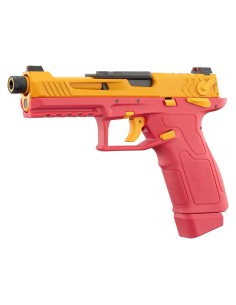
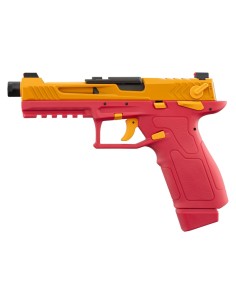
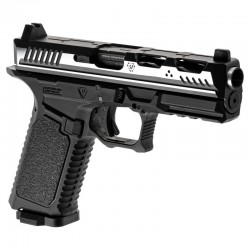
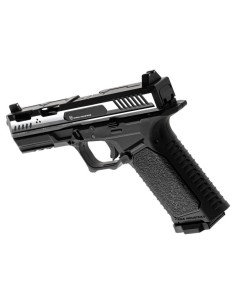
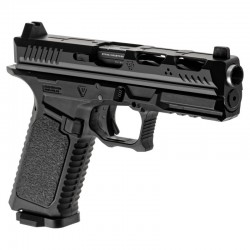
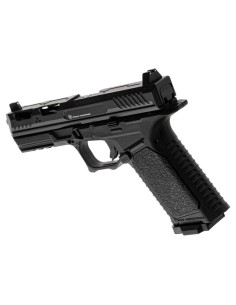
- AAP-01: the smart choice. It's not a replica of a real firearm, it's an original airsoft design. Its success comes from a very accessible price, proven reliability, and a parts ecosystem that grew rapidly (near-universal compatibility between manufacturers, like the Hi-CAPA).
Outside these three families, replicas like the Desert Eagle are tempting for their iconic design. In practice, they're impractical for regular use: fewer spare parts, limited manufacturer support, and little room for upgrades. Before going for an original model, always check the availability of spare parts and replacement magazines.
▼ Read more
Choosing your first airsoft pistol
The first criterion is budget. The price gap between an entry-level and a high-end pistol is significant. Beyond the purchase price, you need to plan for additional expenses:
- A suitable holster. Without a holster, your pistol is useless on the field: you have nowhere to carry it. The current trend is replica-specific holsters (like law enforcement), far more practical than the old universal fabric holsters.
- One or two extra magazines. Only one magazine comes with the replica, and no player settles for a single magazine during a game. Long, short, slim or wide baseplates, steel or aluminium: options exist.
- A red dot sight, a flashlight or a laser for players who want to go further.
The second criterion is choosing the right gas for the materials. Gas that's too powerful on a polymer-slide replica can crack the slide in just a few shots. Always check whether your replica can handle high-pressure gas before loading.
If you plan to customise your pistol down the line (internal parts, reinforced slide, precision barrel), start with one of the three major families. The parts ecosystem will make all the difference. But as soon as you move beyond "buy the replica in the box and use the included magazine", complexity ramps up quickly. Thousands of parts exist, and compatibility is not always guaranteed.
Maintenance and after-sales: what you need to know
The number one after-sales issue on pistols is magazine leaks. It's part of owning a GBB pistol: O-rings wear out, dry up and eventually leak. Think of them as a consumable. On a gas magazine, the fix is straightforward (O-ring replacement, re-greasing). On a CO2 magazine, it's more involved.
Regular maintenance of a GBB pistol comes down to a few steps: grease the slide and slide rails, check the magazine O-rings, clean the barrel. Simple but essential to maintain performance over time.
The Powair6 expertise
Powair6 offers a complete range of GBB and AEP pistols, selected and tested by our team. Our after-sales team knows these replicas inside and out. For advice on choosing your pistol, magazine compatibility or gas selection, our team is available by phone at +33 5 34 27 88 10.
Frequently asked questions
What is the difference between a gas and a CO2 pistol?
It's the magazine that differs, not the replica. The same GBB pistol can often accept both a gas and a CO2 magazine. The difference lies in the knock valve inside the magazine, which regulates the power output. CO2 is generally more powerful and less sensitive to cold, but leaks on CO2 magazines are more complex to repair.
Which airsoft pistol should I choose as a beginner?
Budget is the first criterion. Then, go with one of the three major families (Hi-CAPA, Glock or AAP-01) to benefit from a wide selection of spare parts and magazines. Check the slide material (polymer or metal) to match the gas accordingly. And plan for a holster and at least one extra magazine from the start.
Can you convert a pistol to HPA?
Yes, but only through the magazine. There are no HPA engines designed for pistols (unlike long guns). The conversion involves replacing the gas magazine with one fitted with an HPA tap valve, connected to a compressed air tank. The replica functions identically, only the power source changes.
What is the difference between Hi-CAPA, Glock and AAP-01?
Three families, each with its own identity. The Hi-CAPA focuses on performance and has the largest customisation parts ecosystem. The Glock appeals to players seeking realism (replica of law enforcement sidearms). The AAP-01 stands out with its accessible price, reliability and near-universal parts compatibility. The choice depends on your priorities.
How do you maintain a GBB pistol?
Three steps: regularly grease the slide and slide rails, check the magazine O-rings (the main source of leaks), and clean the barrel with a suitable cloth. A GBB pistol requires more maintenance than an AEG, but these steps are quick and simple.
Which gas should I use for my airsoft pistol?
The gas choice depends on your replica's materials. A polymer slide cannot handle high-pressure gas (200 PSI), or it risks cracking. A metal slide (zamak or steel) can take more powerful gas. Always check the manufacturer's recommendations and, when in doubt, start with a moderate-pressure gas.