


Shopping Cart
- New
In stock
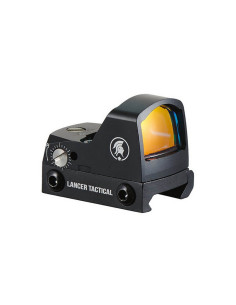
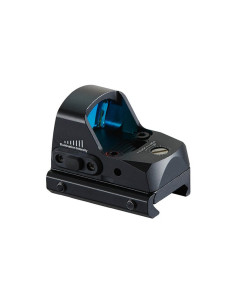
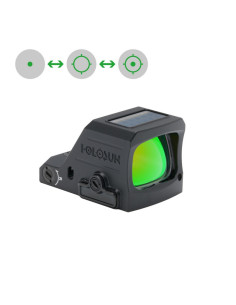
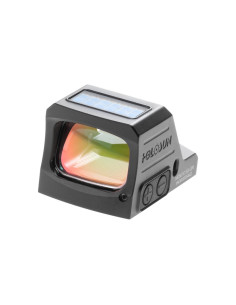
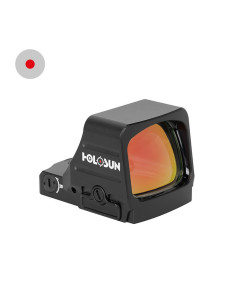
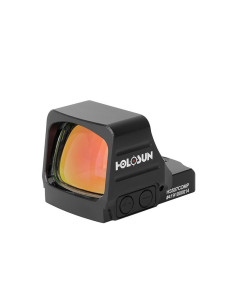
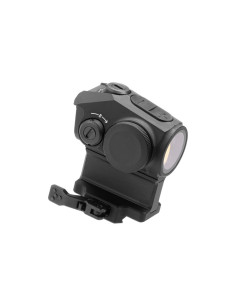
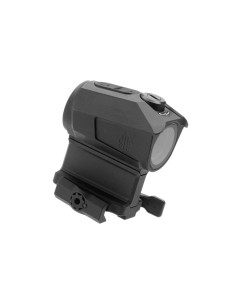
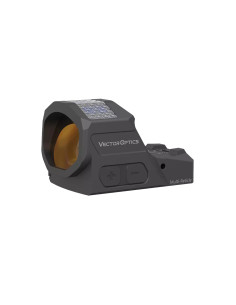
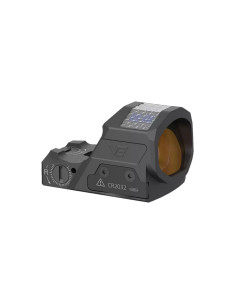
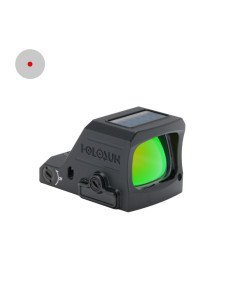
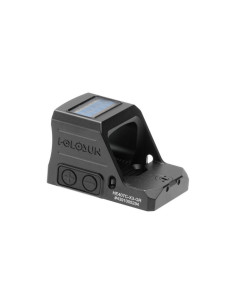
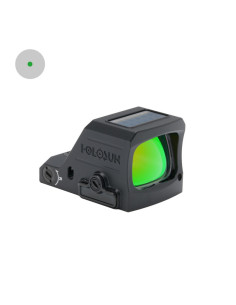
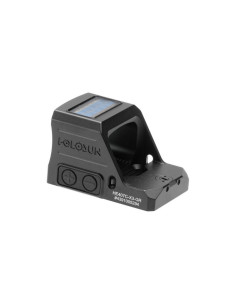
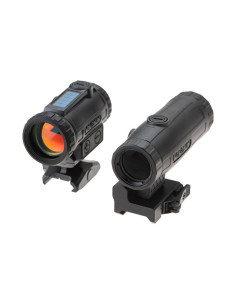
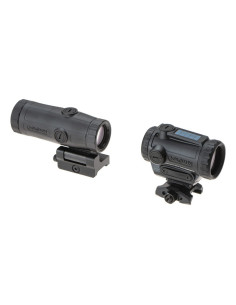
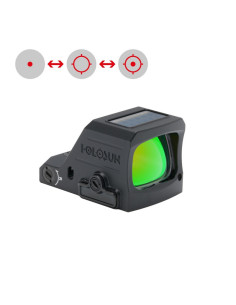
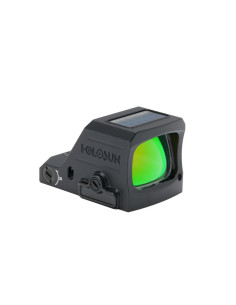
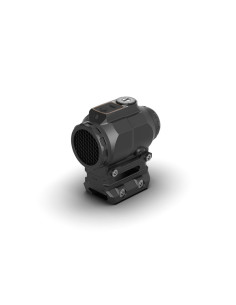
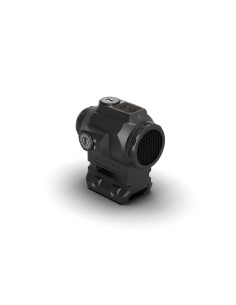
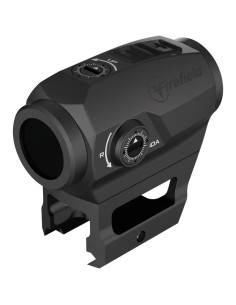
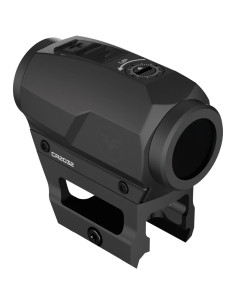
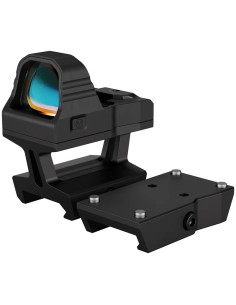
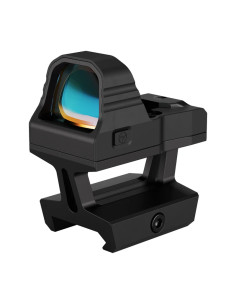
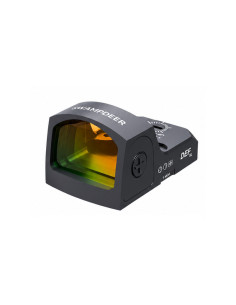
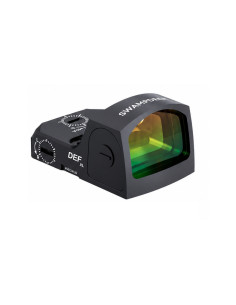
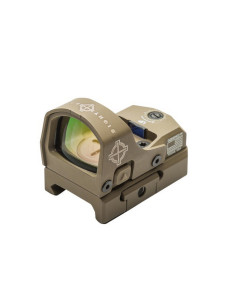
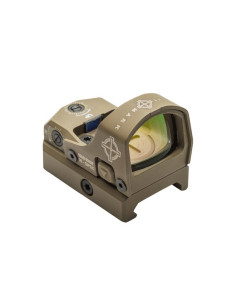
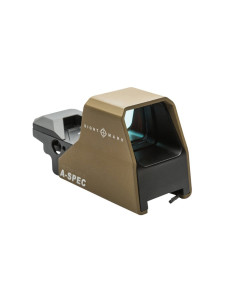


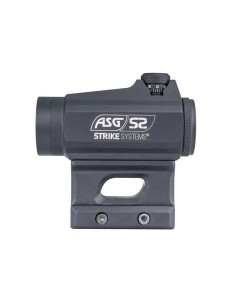
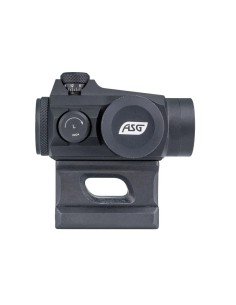
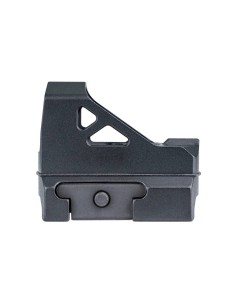
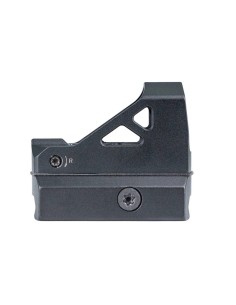
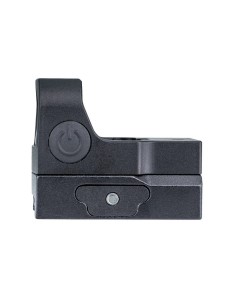
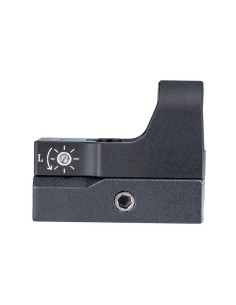
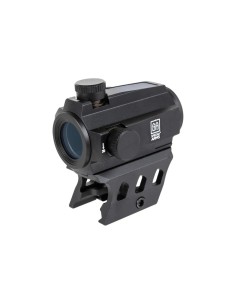
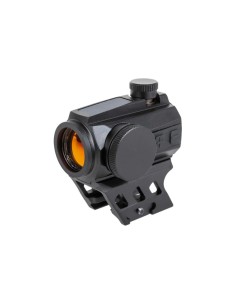
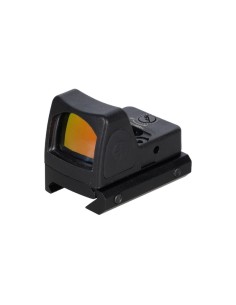
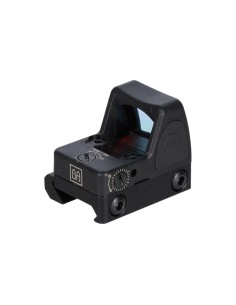
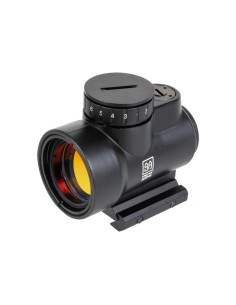
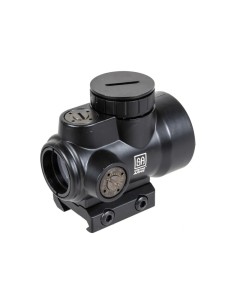
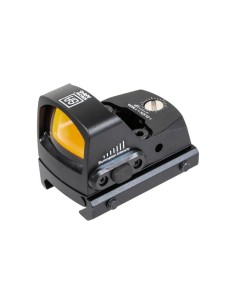
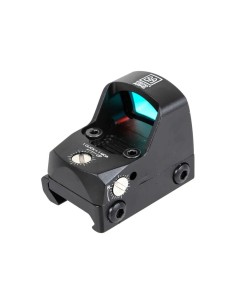
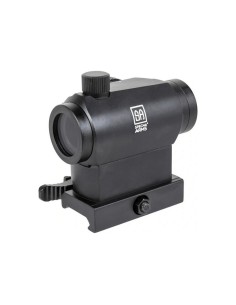
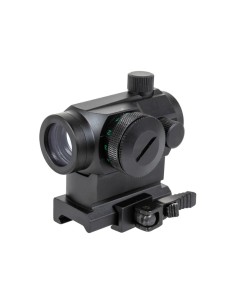
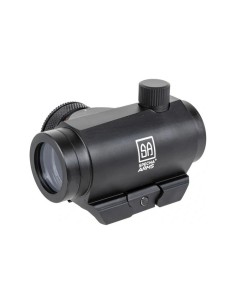
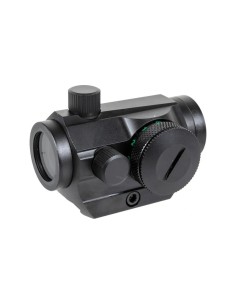
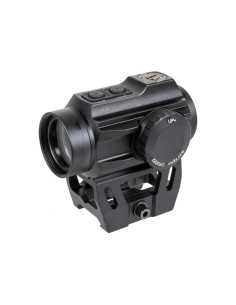
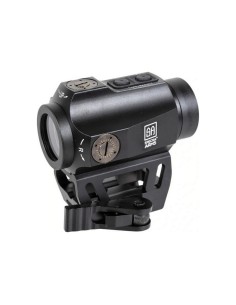
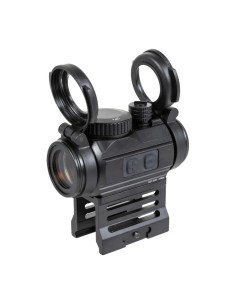
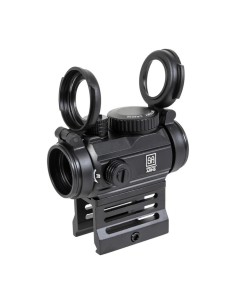
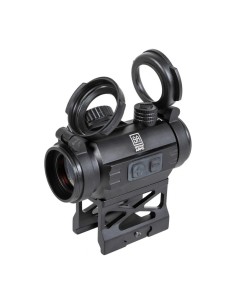
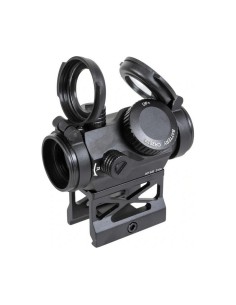
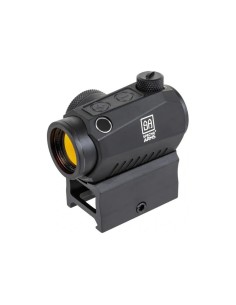
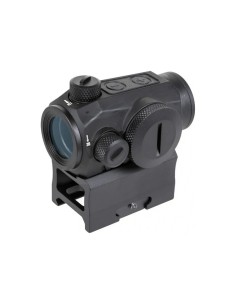
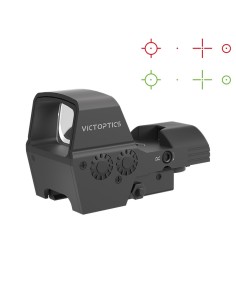
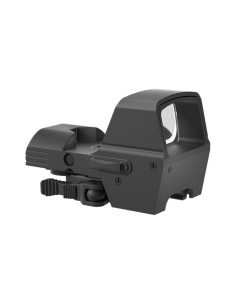
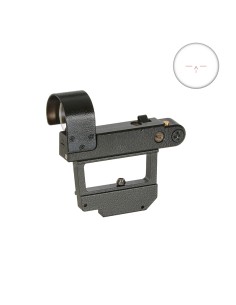
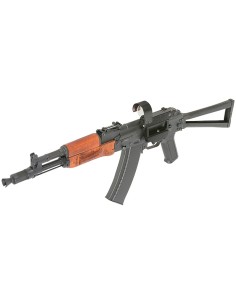
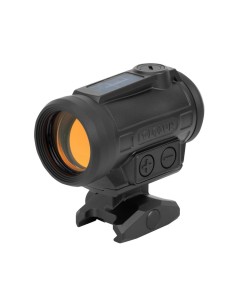
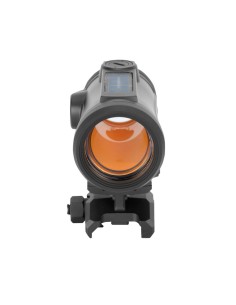
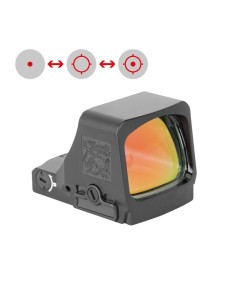
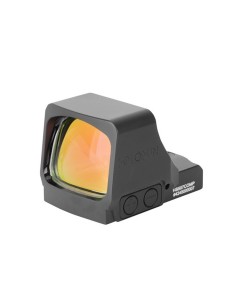
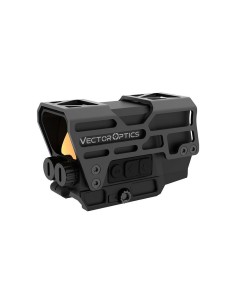
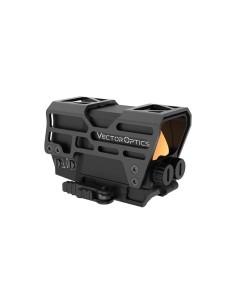
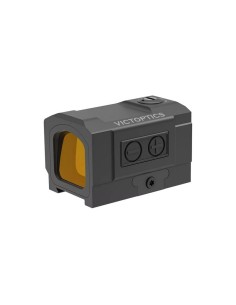
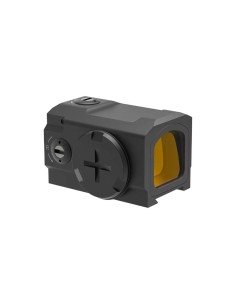

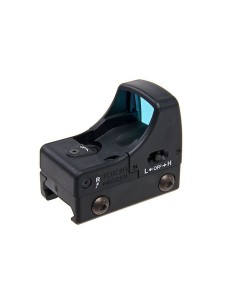
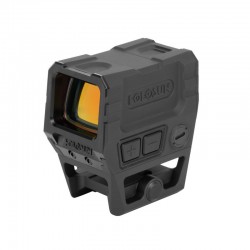
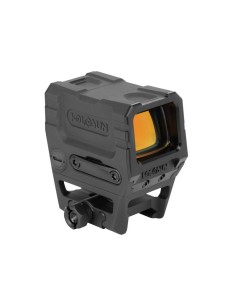
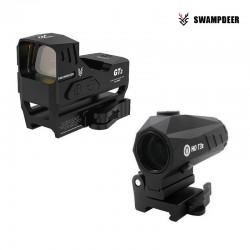
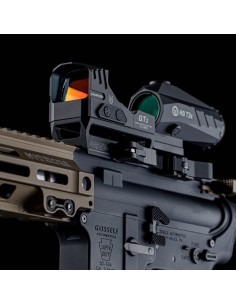
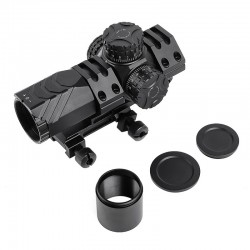
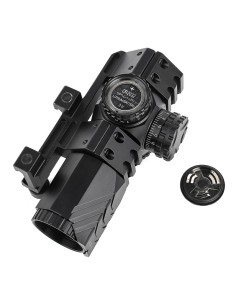
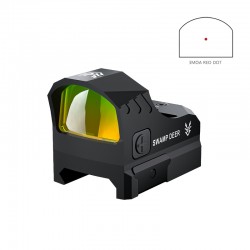
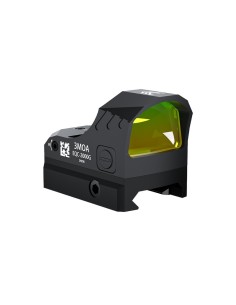
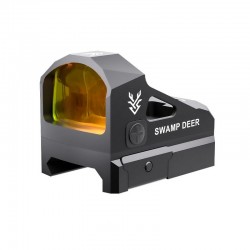
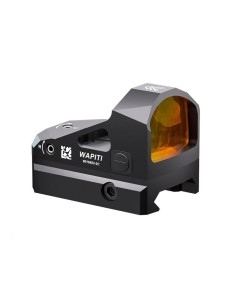
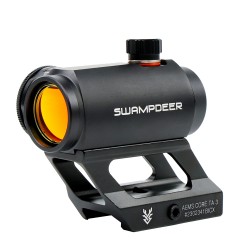
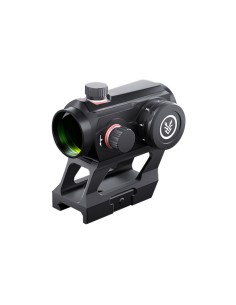
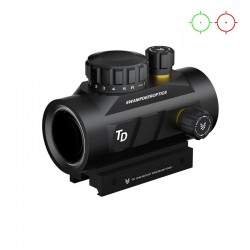
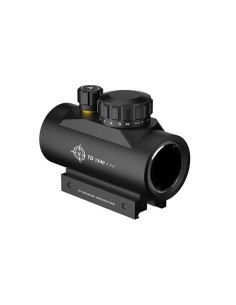
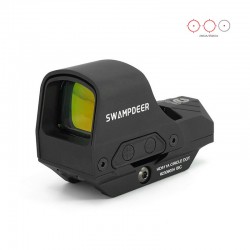
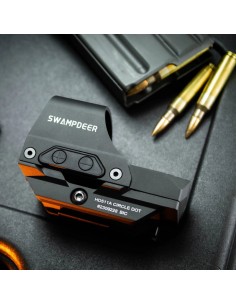
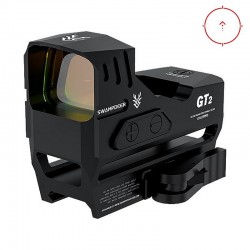
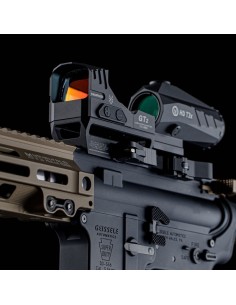
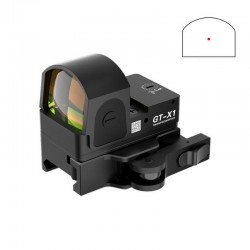
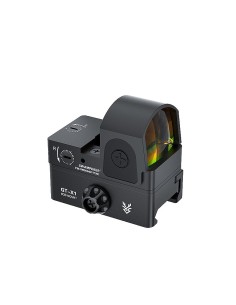
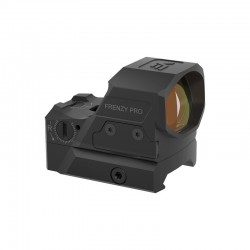
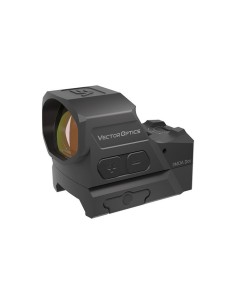
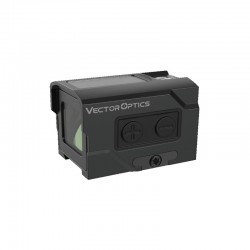
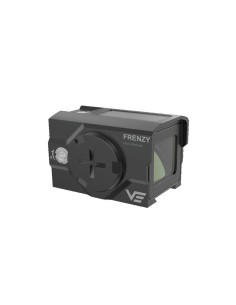
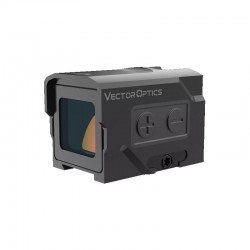
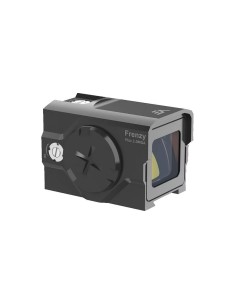
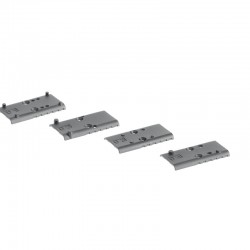
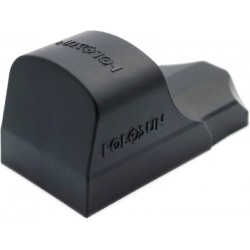
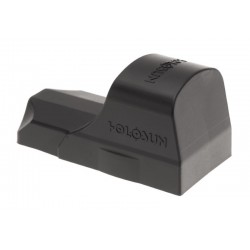
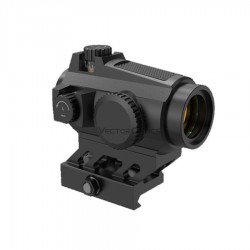
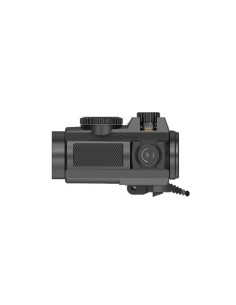
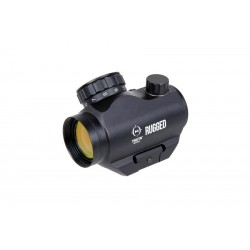
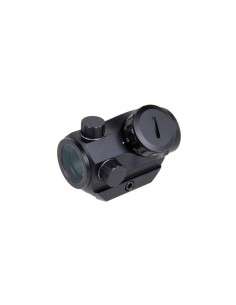
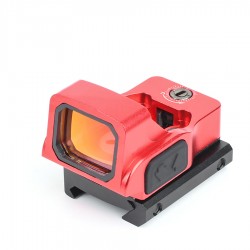
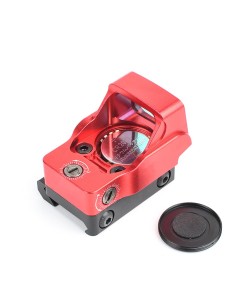
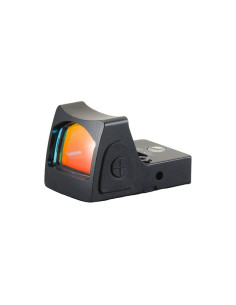
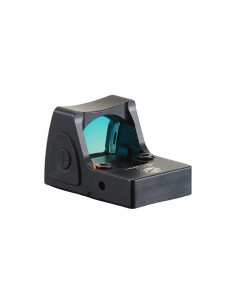
Whether in CQB or outdoors, a good optic makes a real difference on the field. Sighting systems fall into three families: the red dot (a projected luminous dot), the rifle scope (optic with magnification) and the magnifier (a complementary zoom lens). Each serves a specific purpose and should be chosen based on your replica and playstyle.
A red dot projects a luminous dot into your field of view to quickly align your shot. Despite the name, the dot isn't always red. It can be green, blue, gold or other colours depending on the model. Red was simply the first colour available on the market, and the name stuck. What we're really talking about is the reticle colour.
A red dot doesn't zoom. It's designed for fast target acquisition, making it ideal for short and medium distances. It's the most common type of sight in airsoft.
Not every red dot fits every replica. There are two main categories:
Some replicas like the AK-47, P90 or FAMAS don't come with a Picatinny rail as standard. You'll need specific mounts (a side-mount for the AK, for instance) or an appropriate mounting support.
Among the most popular shapes: the Micro T1 form factor (from the Aimpoint brand) is one of the most widespread in airsoft. EOTech-style versions, recognisable by their square shape and popularised by video games, are also very common. In airsoft, the vast majority are reproductions, not originals.
On the brand side: Vector Optics offers a wide range of scopes and red dots with solid value for money. Holosun has a feature that sometimes surprises players: the glass is angled. It's not a defect, it's a design choice to eliminate parasitic reflections.
A rifle scope differs from a red dot by its ability to magnify the image. From x1.1 magnification onwards, it qualifies as a scope. In airsoft, x2 to x4 magnification is the most common and most useful range. x8 or x10 models exist, but the limited engagement distances in airsoft reduce their practical value.
To choose well, start by defining the magnification you need, then the objective diameter (the wider it is, the broader the field of view). Mounting rings connect the optic to the replica: they come in 25 mm or 30 mm depending on the scope tube.
A magnifier is a zoom lens (usually x3) placed directly behind a red dot. It has no reticle: it works like a monocular and simply magnifies the red dot's image. Its main advantage is the flip-to-side mount: in CQB, you flip it aside to keep just the red dot. When you need range, you flip it back with a single motion to get the magnification.
It's a popular solution on assault replicas because it combines the red dot's fast target acquisition with a zoom available in seconds.
Airsoft red dots and optics use the same mounting systems as those designed for real firearms. The two are compatible. The difference comes down to three points: dot quality (the hologram is more stable on firearm versions), housing durability, and recoil resistance.
On one specific point, however, both are equal: resistance to frontal impacts. An airsoft BB will crack a 1,500 euro red dot just as easily as a 50 euro one. Real firearm optic manufacturers don't reinforce the front glass (in a firearms context, if you take a round to the optic, the optic isn't the problem). In airsoft, it's different: protecting your sight is a necessity.
MOA (Minute of Angle) determines the size of the luminous dot relative to distance. A good MOA means the dot stays precise and fine, even as distance increases. The lower the number, the finer the dot. It's one of the most requested specs among players and a direct indicator of red dot quality.
Several technologies coexist for powering a red dot:
A common after-sales issue: batteries inserted the wrong way. If your red dot won't turn on, that's the first thing to check.
Protecting your optic in airsoft isn't optional, it's essential. Two solutions exist: the kill flash (model-specific, serving both as anti-glare and glass protection) and the universal lens protector (mounts on the Picatinny rail and flips up). Without protection, you have to accept the risk of losing your red dot to a single BB.
Zeroing is a calibration step to complete after purchase. No red dot comes factory-aligned with your replica. The process: position yourself at a fixed distance from a target, fire a few rounds, then adjust the reticle (windage and elevation) using the small screwdriver provided. A few minutes is all it takes for accurate aiming.
No. The term "red dot" comes from the fact that red was the first available reticle colour, but today the luminous dot can be green, blue, gold or other colours depending on the model. Some red dots even offer multiple colour options.
A red dot projects a luminous dot without magnification: it's designed for fast target acquisition, especially in CQB and at medium range. A rifle scope provides magnification (from x1.1 onwards) to engage more distant targets. The two complement each other, and a magnifier (x3 lens) lets you combine the benefits of both by zooming into an existing red dot.
Two solutions: the kill flash (model-specific, serving as both anti-glare and protection) or the universal lens protector (mounts on the Picatinny rail and flips up). Protection is essential in airsoft. Without it, a single BB is enough to crack the glass, regardless of the red dot's price.
Yes. The mounting systems (Picatinny, RMR) are identical. A red dot designed for real firearms is compatible with an airsoft replica. The differences lie in ghost quality, housing durability and recoil resistance, all of which are superior on firearm models. The glass remains equally vulnerable to BBs: a frontal impact will crack a 1,500 euro model just like a 50 euro one.
That's the zeroing process. Position yourself at a fixed distance from a target, fire a few BBs, then adjust the reticle (windage and elevation) using the small screwdriver provided until the point of aim matches the point of impact. This needs to be done after every installation: no red dot comes factory-aligned with your replica.
In airsoft, x2 to x4 magnification is the most useful as it covers common engagement distances. x8 or x10 models exist, but their usefulness is limited by the effective range of BBs. For versatile use, a variable scope (e.g. x1-x4) offers the best flexibility between CQB and ranged shots.